D.Wafia
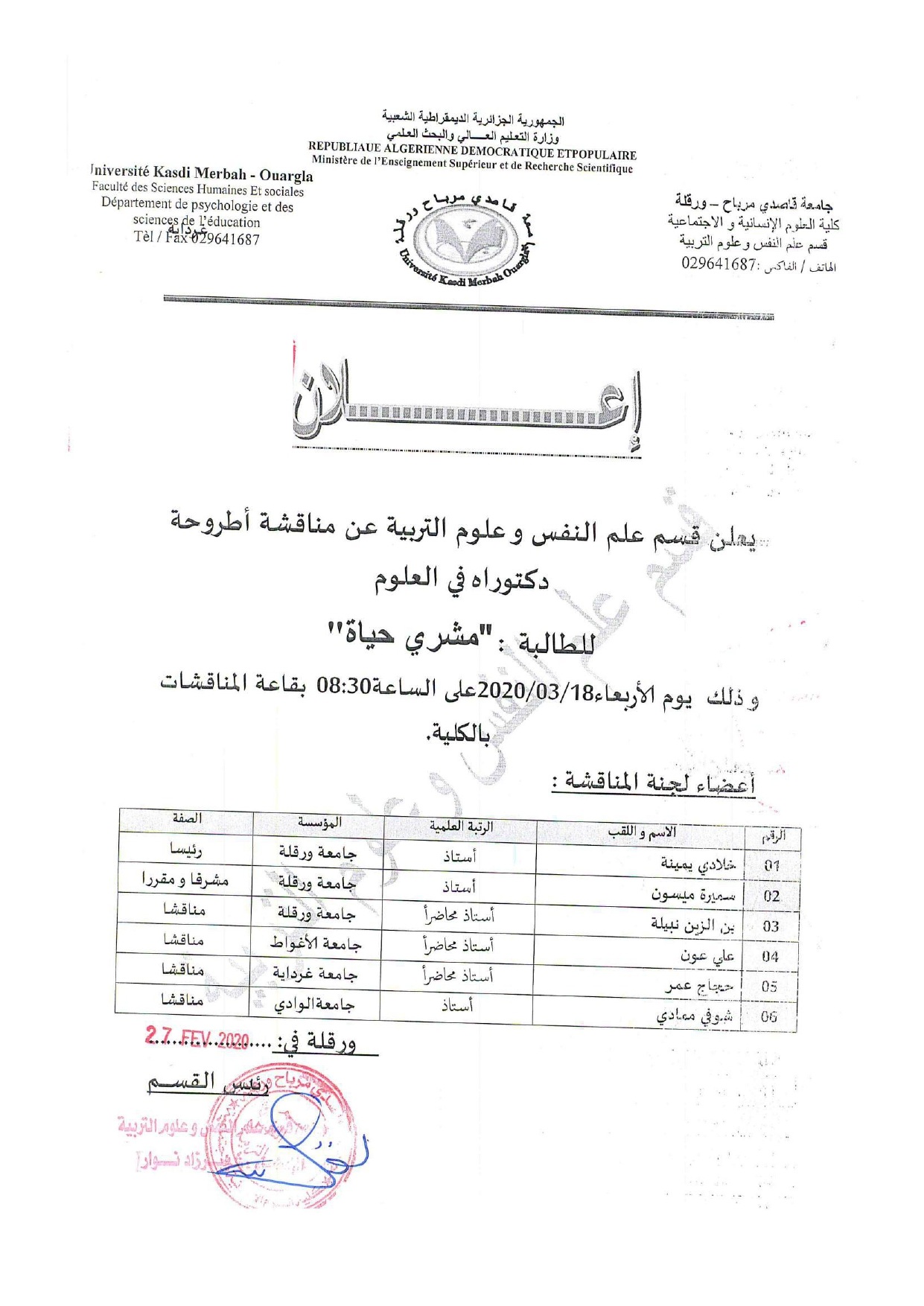
Doctoral Thesis Defense: Mechri Hayat

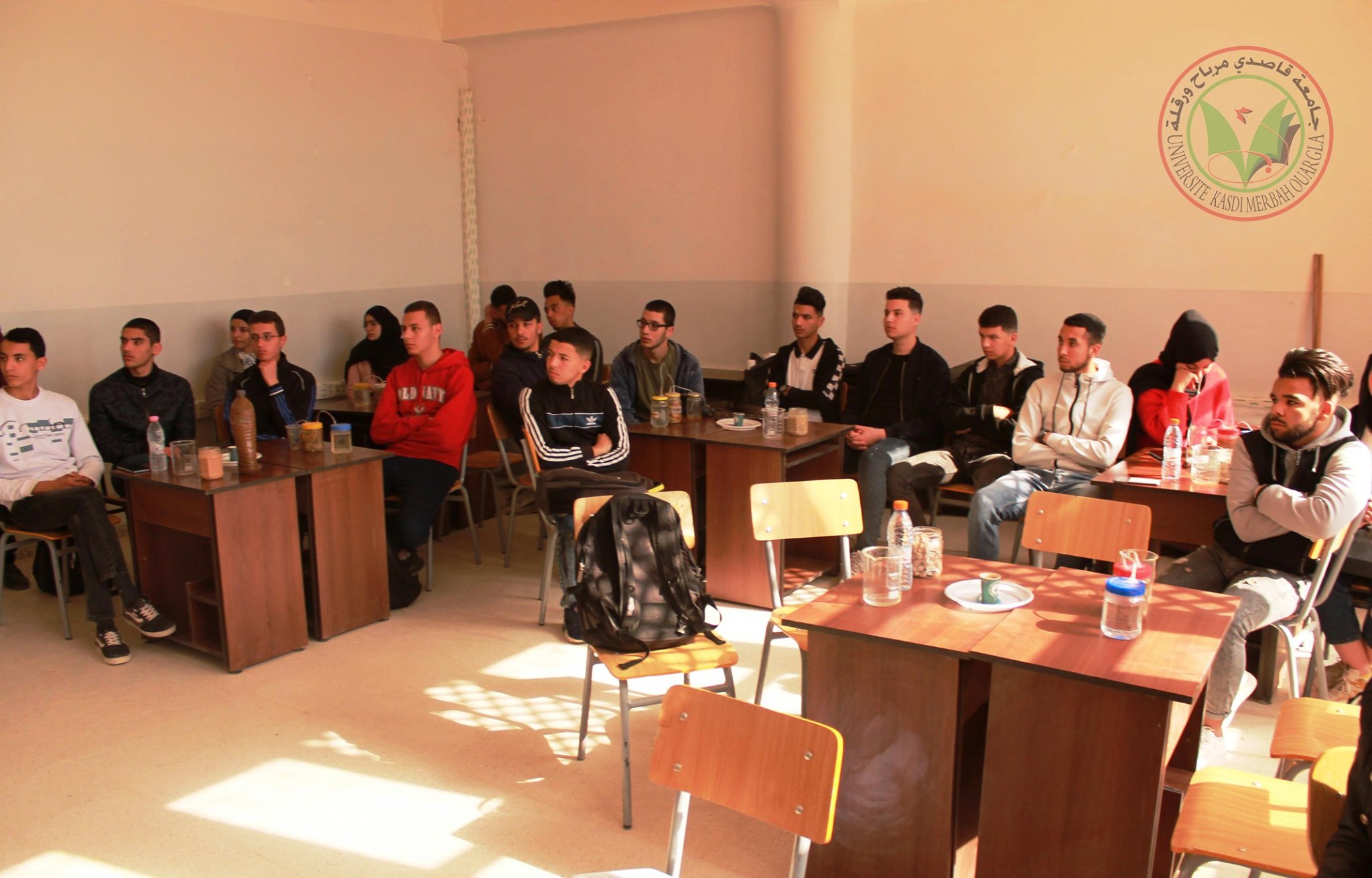
Awareness campaign of the Regional Group of the National Gendarmerie at the Institute of Technology
On Thursday 05 March 2020, a sensitization campaign was conducted for the regional group
of the National Gendarmerie at the Institute of Technology, which aims to introduce
students to the role of the National Gendarmerie in maintaining community safety on the one
hand,and traffic safety on the other hand. The campaign witnessed a significant turnout for
male and female students from various colleges.
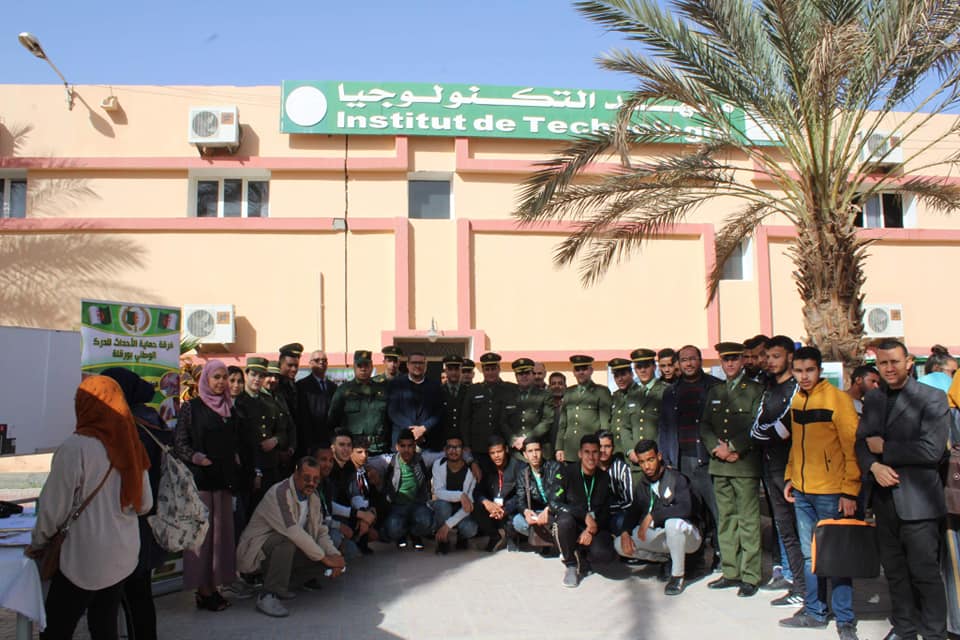
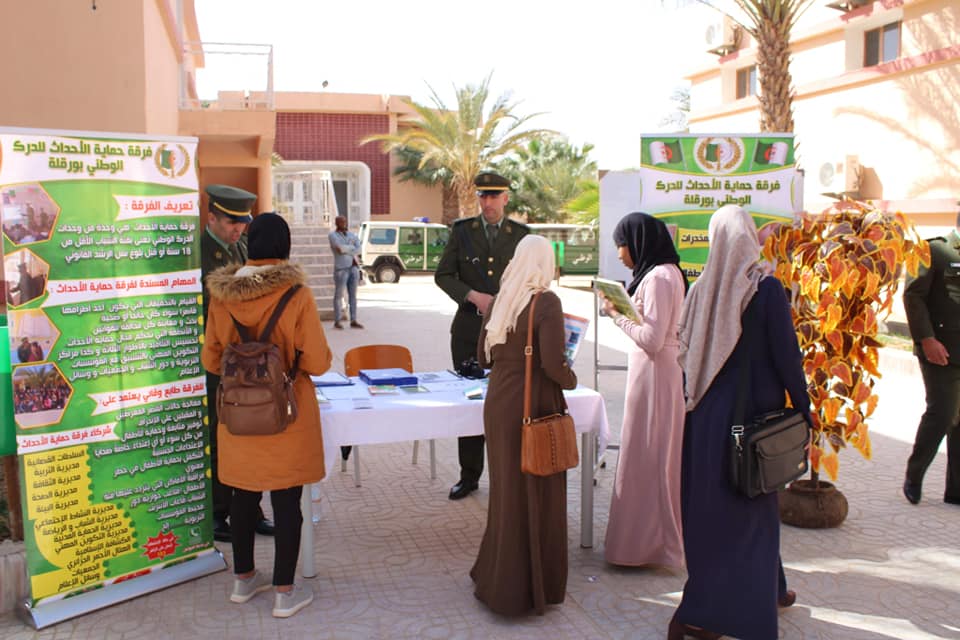
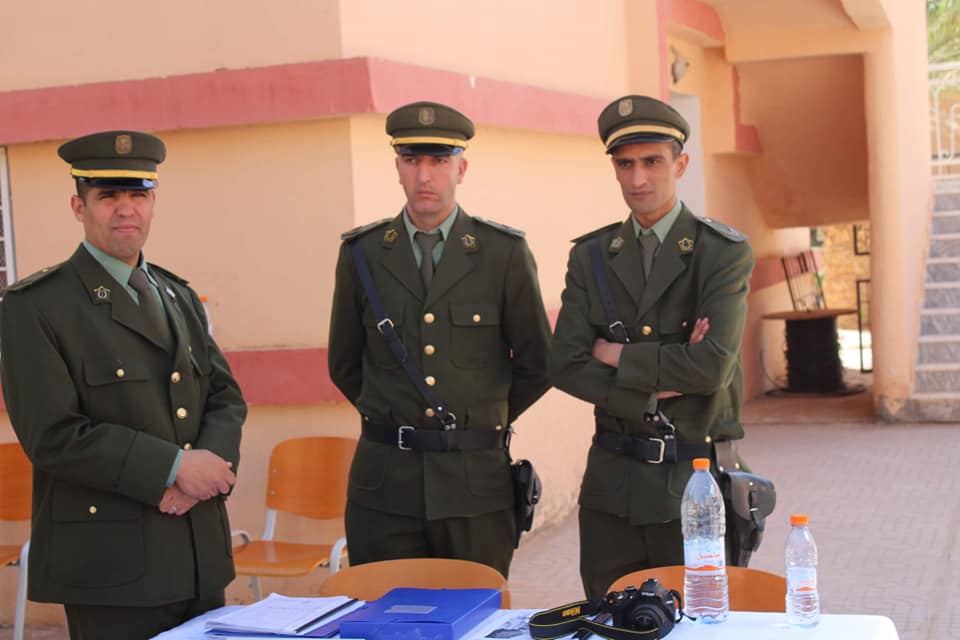
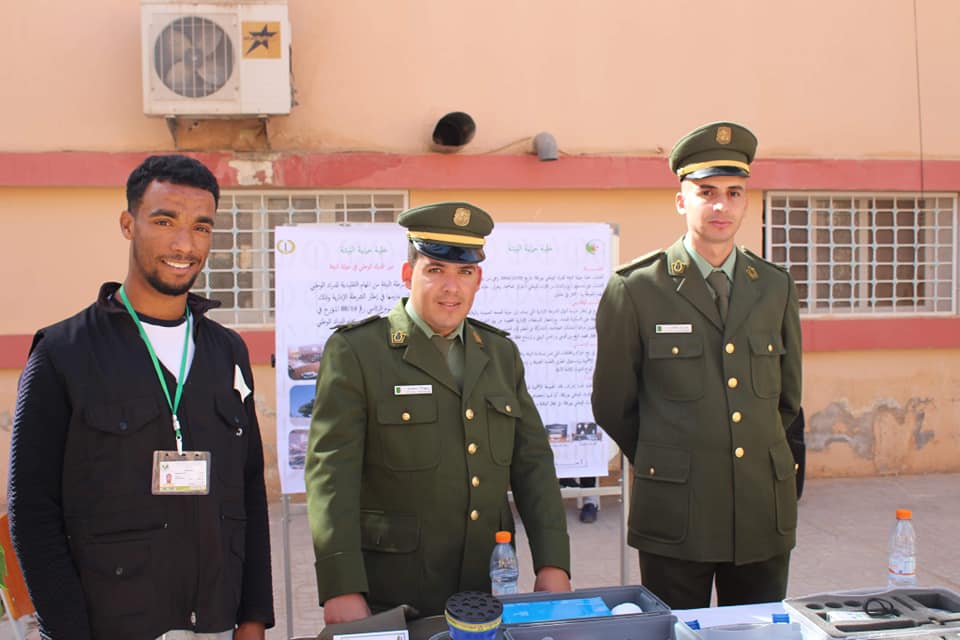
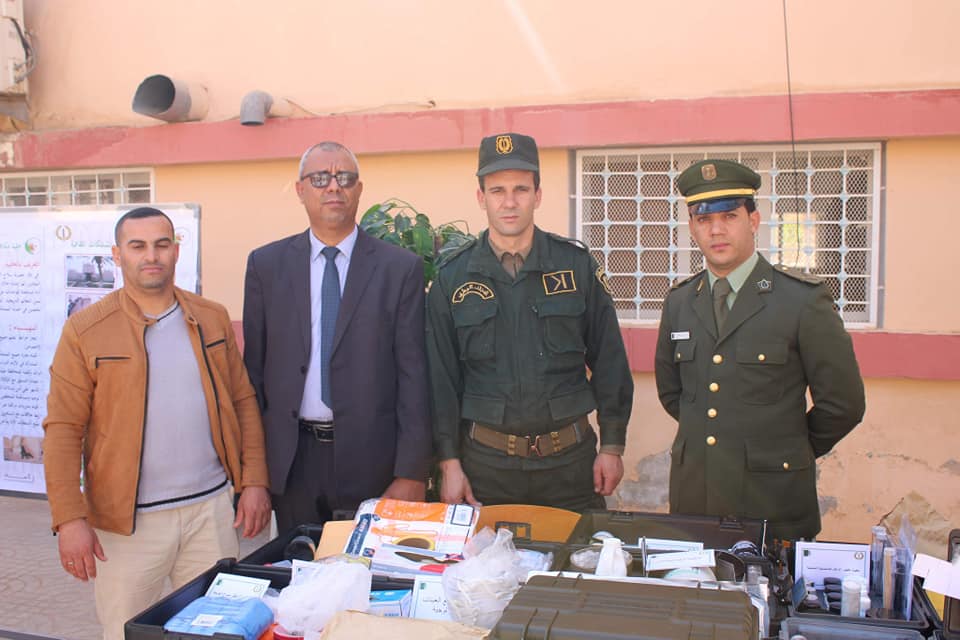
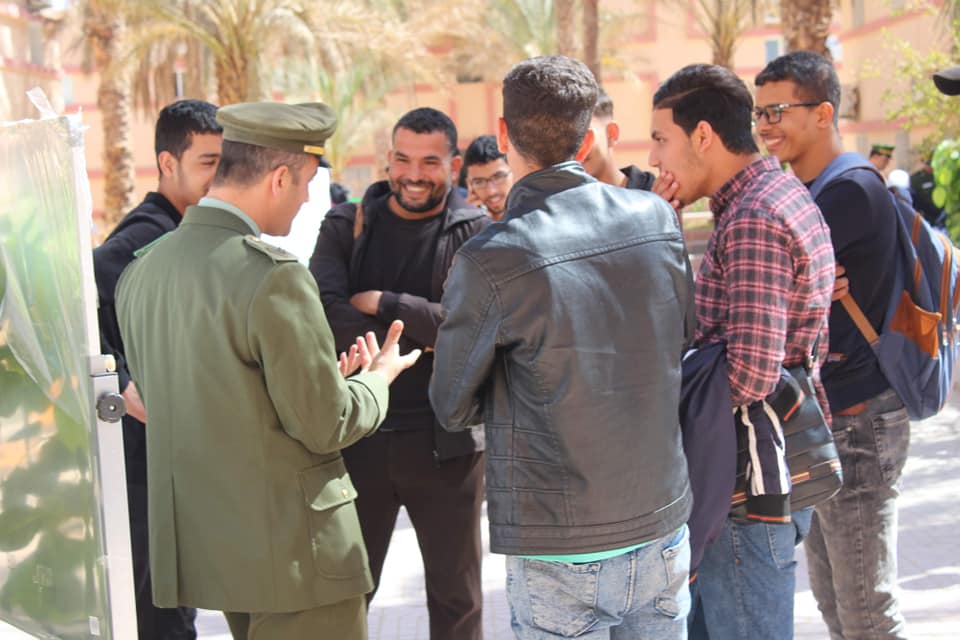
حملة تحسيسية للمجموعة الإقليمية للدرك الوطني بمعهد التكنولوجيا
يوم الخميس 05 مارس 2020 ، اجريت حملة تحسيسية للمجموعة الإقليمية للدرك الوطني بمعهد التكنولوجيا ، و الهدف منها تعريف الطلبة بدور الدرك الوطني في الحفاظ على سلامة المجتمع من جهة ، و السلامة المرورية من جهة أخرى. و عرفت الحملة إقبالا معتبرا للطلبة و الطالبات من مختلف الكليات
Seoul National University SNU Scholarship Offer

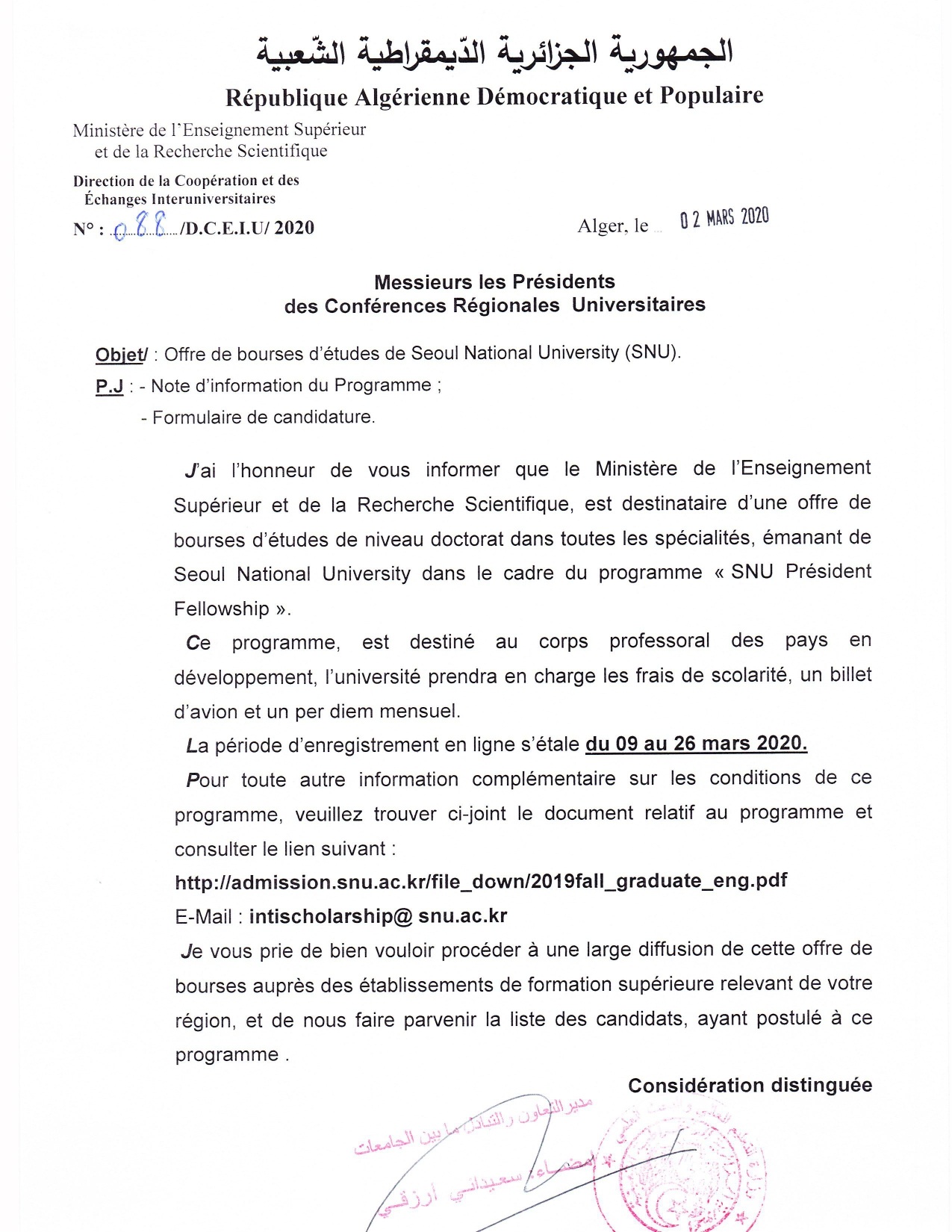
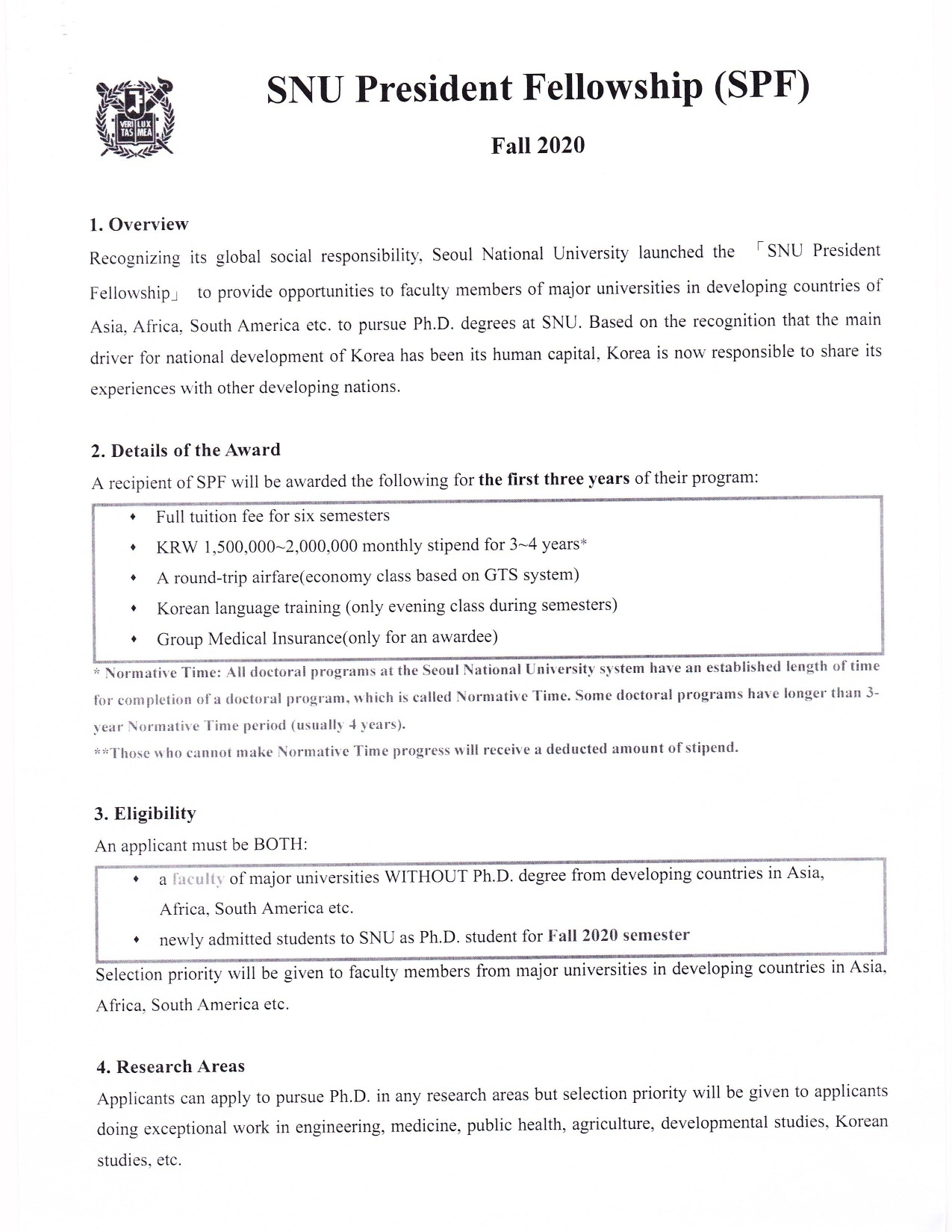
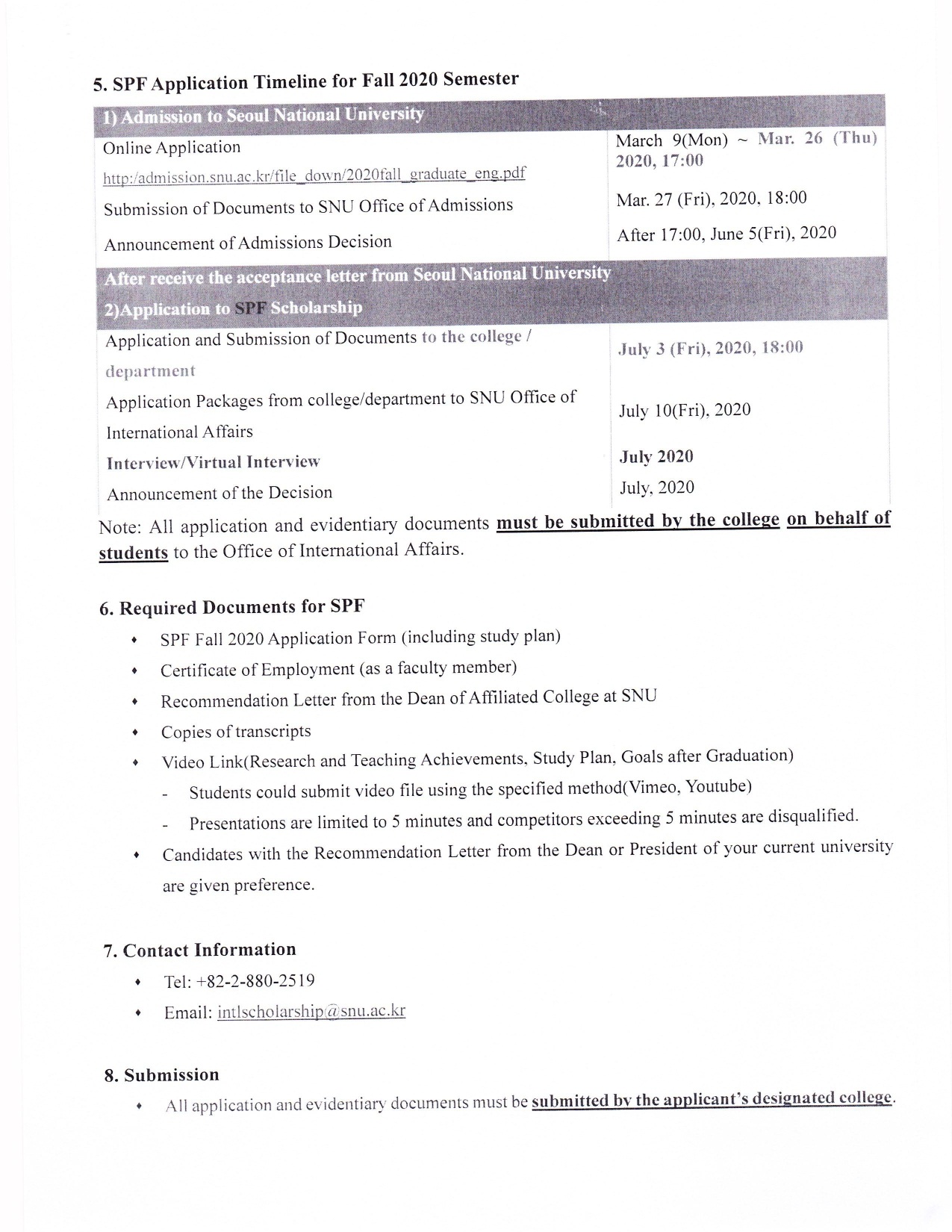
Offre de bourses d'études de Seoul National University SNU
Visit of the Czech professor to the University of Kasdi Merbah Ouargla
Within the framework of the Erasmus + program for exchange and cooperation between
Algerian universities and international universities, the Erasmus + program aims to support
operations in the field of education, training, youth and sports during the period 2014-2020.
This creates programs to enhance competencies in the field of higher education, unify
knowledge and create sectoral alliances for the purpose of achieving Qualitative competencies
and strategic cooperation in the fields of education, training and youth.
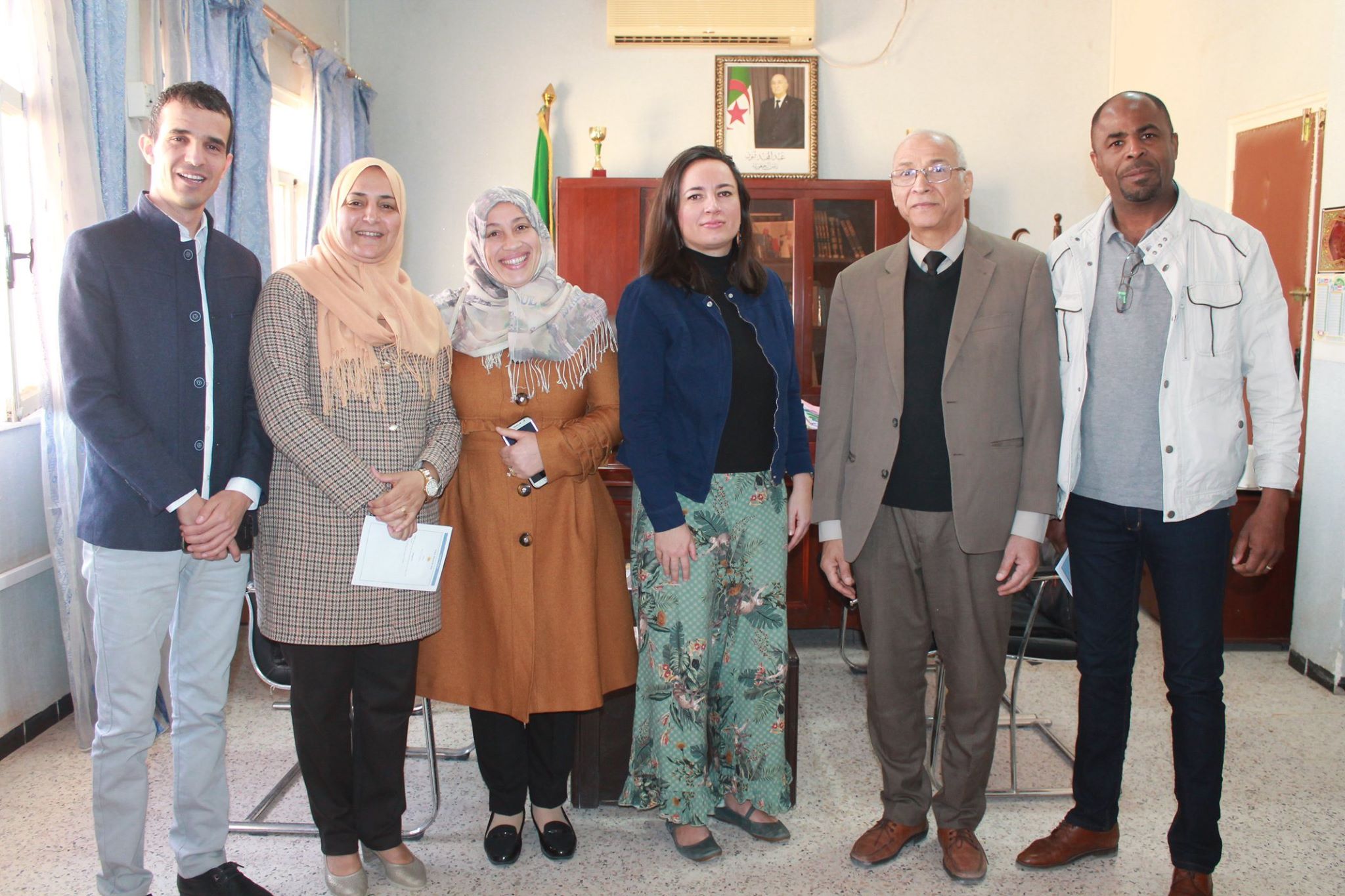
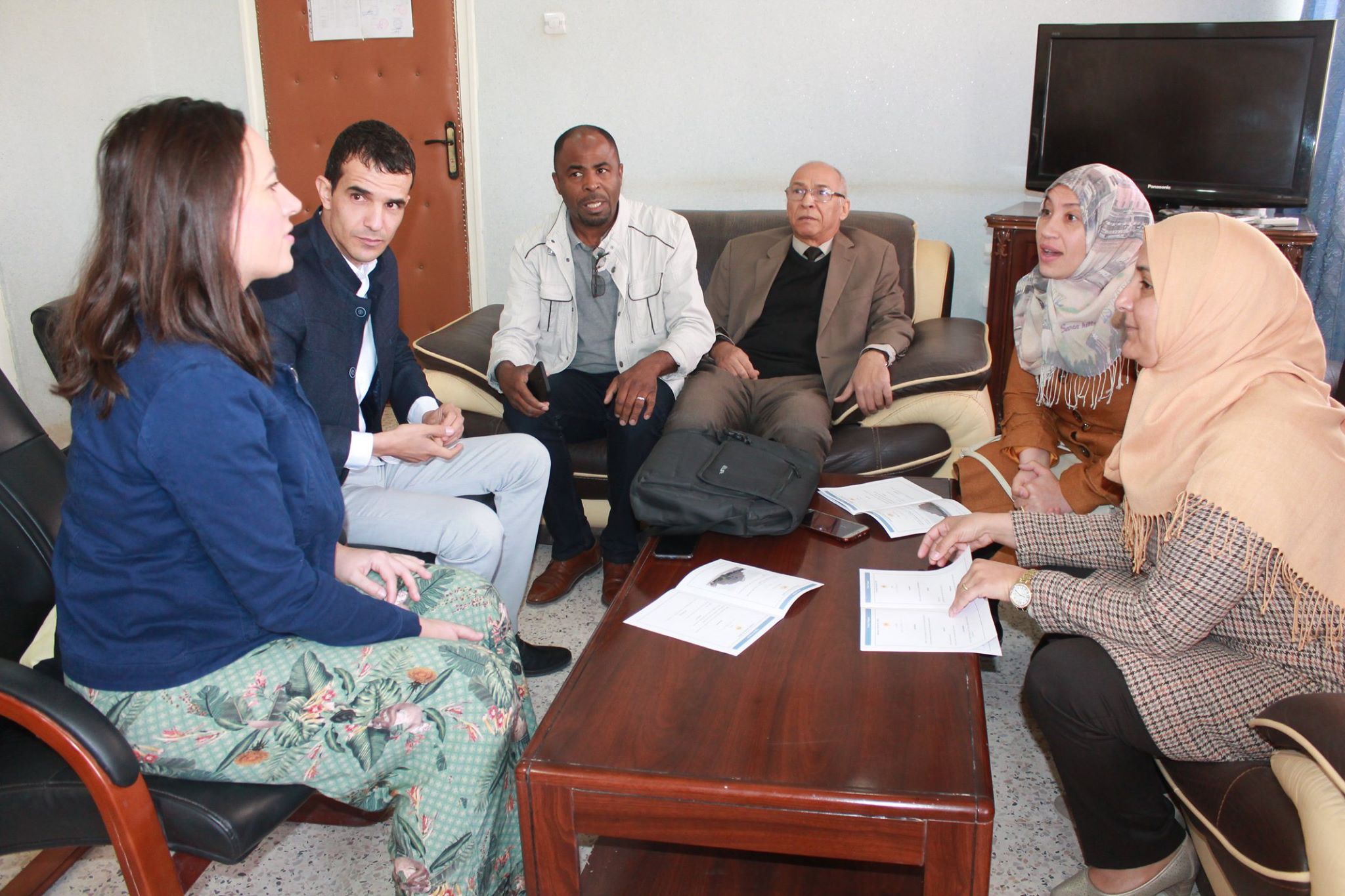
On the morning of March 1, 2020, Prof. Dr. Martina Čermáková visited the University of Kasdi
Merbah on a visit to the Faculty of Arts and Languages under the aforementioned program,
which was received by the dean of the college and his pedagogical staff.
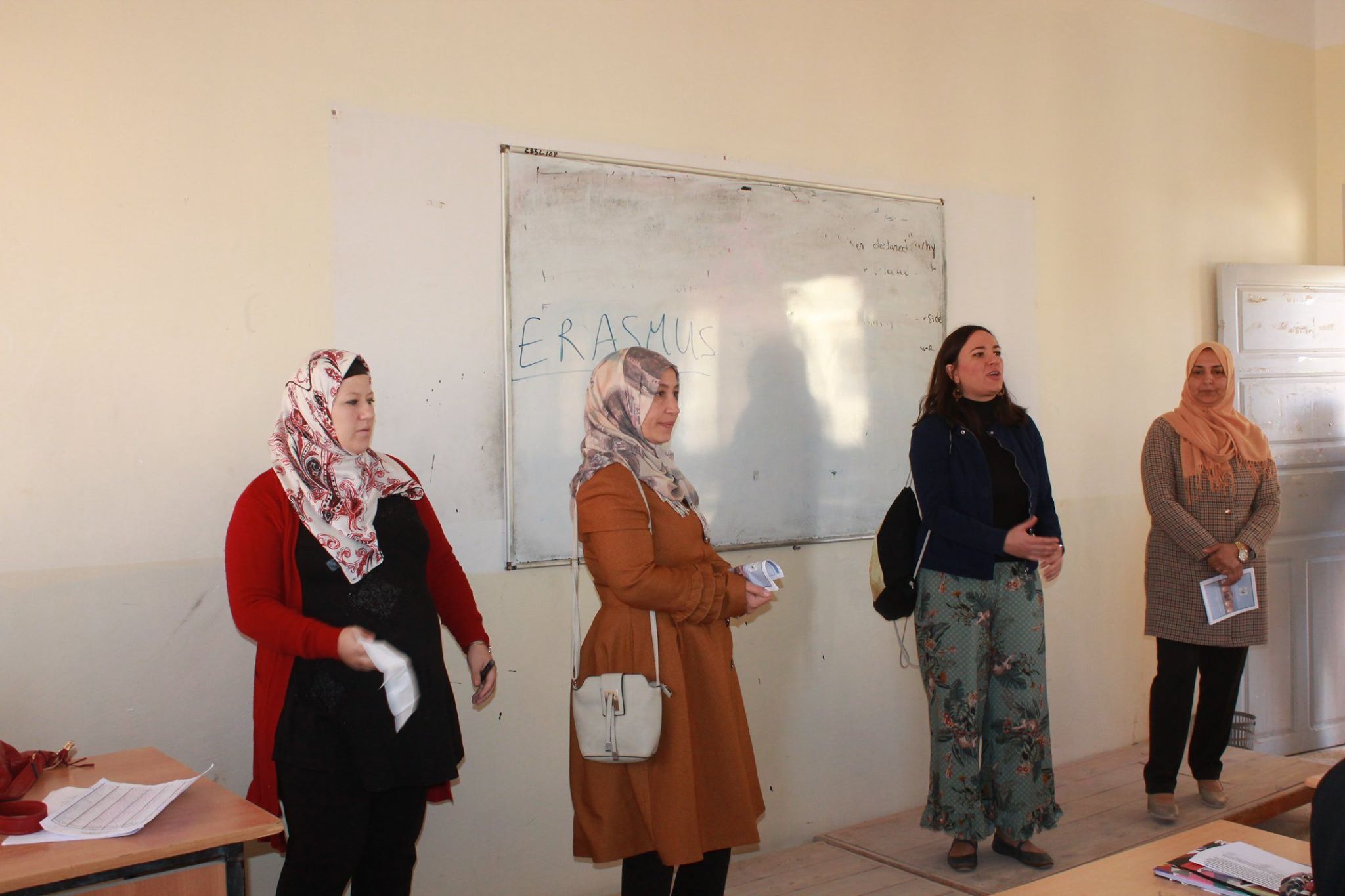
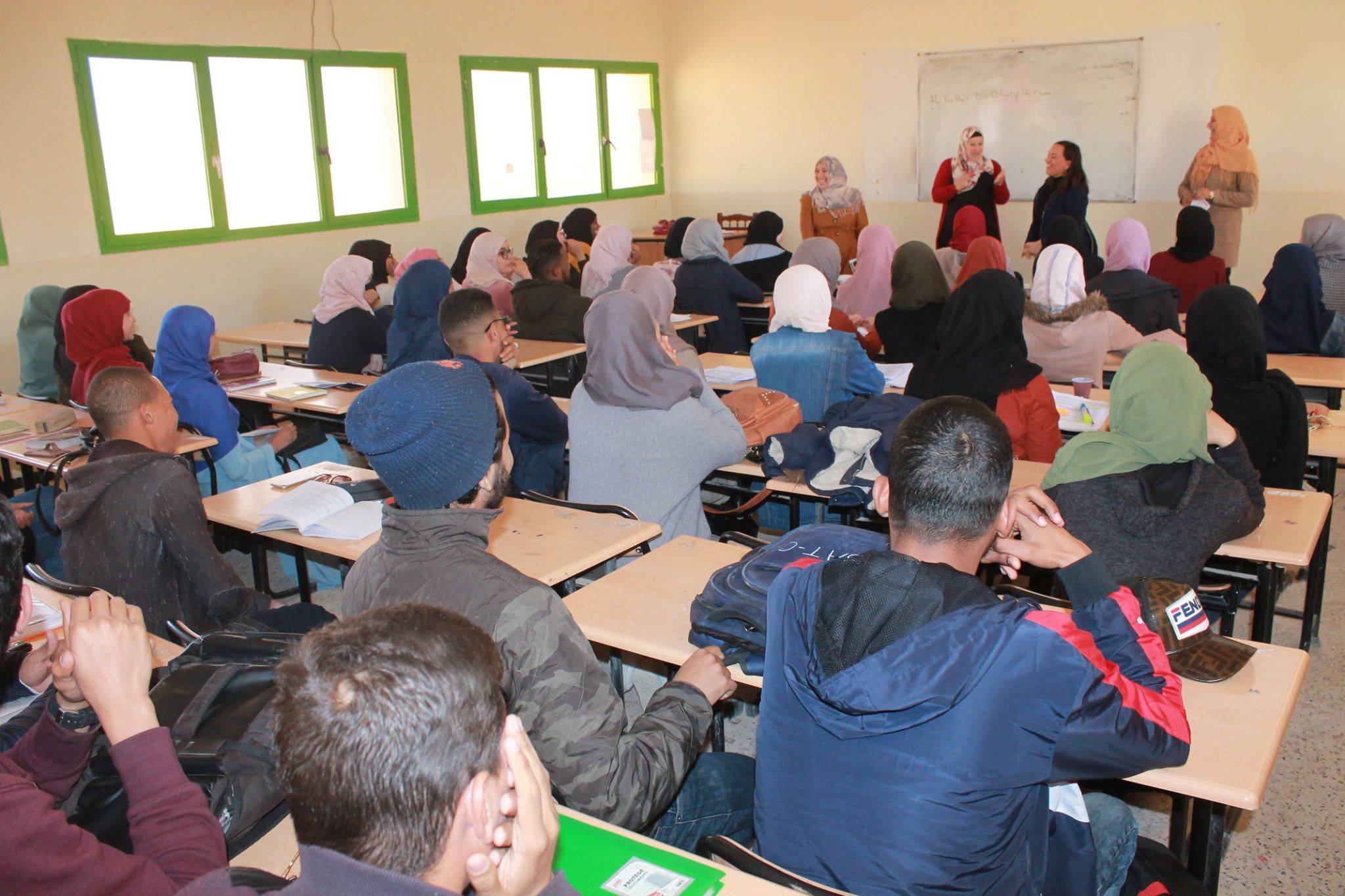
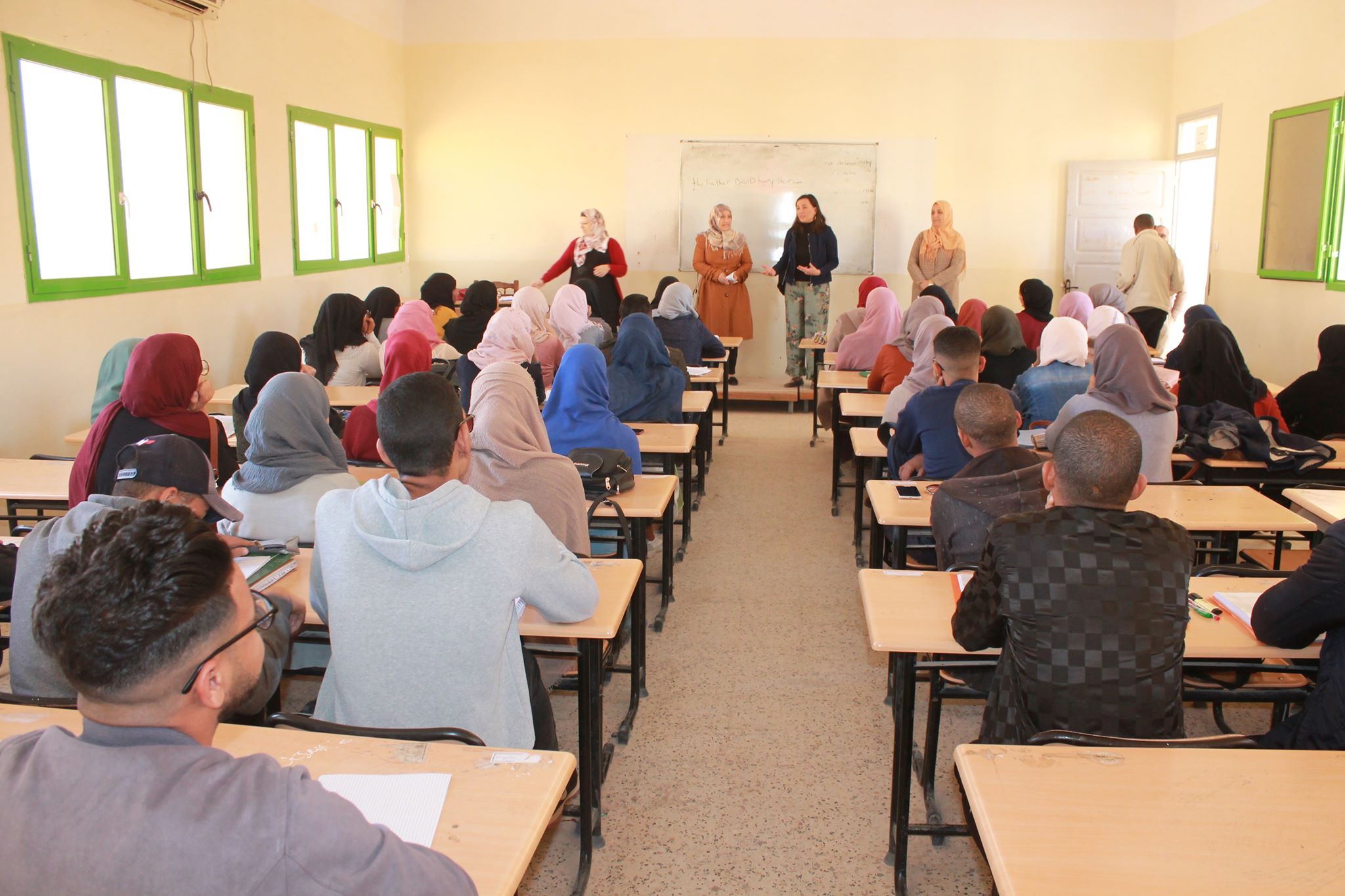
Where Mr. Martin had an exploratory visit to the college, attend classes, interact and
communicate with the college students.
زيارة أستاذة تشيكية لجامعة قاصدي مرباح ورقلة
في إطار برنامج ايرواسميس + للتبادل والتعاون بين الجامعات الجزائرية والجامعات الدولية يهدف البرنامج إيراسموس + إلى دعم العمليات في ميدان التعليم، التكوين ، الشباب و الرياضة خلال فترة 2014-2020.وهذا بخلق برامج تعزيز الكفاءات في مجال التعليم العالي وتوحيد المعارف وإيجاد تحالفات قطاعية لغرض تحقيق كفاءات نوعية و تعاون استراتيجي في مجالات التعليم و التكوين والشباب.
حلت صبيحة يوم 01 مارس 2020 بجامعة قاصدي مرباح الأستاذة الدكتورة Martina Čermáková في زيارة لكلية الأداب واللغات في إطار البرنامج السالف الذكر، كان في إستقبالها عميد الكلية وطاقمه البيداغوجي، وتأتي الزيارة للتبادل في مجال اللغات وأهميتها واكتسابها ومحاضرات حول اللغة التشيكية وكيفية تدريسها في الجامعات .
حيث كان للسيد مارتينة زيارة إستكشافية للكلية وحضور لحصص دراسية وتفاعل وتواصل مع طلبة الكلية.
Awareness and Information on the New Coronavirus


Coronaviruses (Cpv):
Coronaviruses (Cpv) are viruses from the coronaviridae family, the particularity of which is that they have a very long
RNA genome (ribonucleic acid allows the transport of the genetic message and the synthesis of proteins). These germs
are surrounded by a crown-shaped protein capsule, hence their name.
* Are they dangerous to humans?
Coronaviruses can be responsible for several respiratory and digestive diseases in several mammals.
In humans, these infections can be:
- Asymptomatic;
- Responsible for benign pathologies such as a cold or flu syndromes;
- Responsible for respiratory complications such as pneumonia in immunocompromised patients or infants;
- Responsible for severe respiratory syndrome, leading to epidemics.
* How to protect yourself?
The main recommendations, for the moment, mainly concern people who travel to areas affected by the virus.
It is necessary :
- Avoid contact with animals, living or dead;
- Avoid going to markets where live or dead animals are sold
- Avoid close contact with people suffering from acute respiratory infection;
- Do not eat uncooked or undercooked meat;
- Wash your hands regularly with soapy water or with alcohol-based solutions;
* Should we wear a mask?
According to the Ministry of Health, wearing a surgical mask is recommended only for people who show symptoms
of the disease to avoid spreading it by air. On the other hand, for people who are not sick, it is "not recommended
and its effectiveness has not been demonstrated".
* What to do in case of suspected cases?
For people who have stayed in China recently and have symptoms of respiratory infection with fever,
it is imperative to:
- Do not go to your doctor or the emergency room to avoid infecting others.
- Wear a surgical mask when in contact with other people.
- Use disposable tissues
- Wash your hands regularly.
The link from the Ministry of Health: www.santé.gov.dz to inform and educate the university community on the new Coronavirus.
Sensibilisation et Information sur le nouveau Coronavirus
Les Coronavirus (Cpv) sont des virus issus de la famille des coronaviridae, dont la particularité est de posséder un génome à ARN très long (l’acide ribonucléique permet le transport du message génétique et la synthèse des protéines). Ces germes sont entourés d’une capsule de protéines en forme de couronne, d’où leur nom.
Sont-ils dangereux pour l’humain ?
Les coronavirus peuvent être responsables de plusieurs maladies respiratoires et digestives chez plusieurs mammifères. Chez l’humain, ces infections peuvent être :
- Asymptomatiques ;
- Responsables de pathologies bénignes comme un rhume ou des syndromes grippaux ;
- Responsables de complications respiratoires telles que la pneumonie chez les patients immunodéprimés ou les nourrissons ;
- Responsables de syndrome respiratoire grave, entraînant des épidémies.
Comment se protéger ?
Les principales recommandations concernent, pour l’instant, principalement les personnes qui partent en voyage dans les zones touchées par le virus. Il faut :
- Eviter tout contact avec des animaux, vivants ou morts;
- Eviter de se rendre sur les marchés où sont vendus des animaux vivants ou morts
- Eviter tout contact rapproché avec des personnes souffrant d’infection respiratoire aigüe;
- Ne pas manger de viande non ou peu cuite;
- Se laver régulièrement les mains avec de l’eau savonneuse ou avec des solutions hydro-alcooliques;
- Faut-il porter un masque ?
Selon le Ministère de la Santé, le port du masque chirurgical est recommandé uniquement pour les personnes qui présentent des symptômes de la maladie pour éviter de la diffuser par voie aérienne. En revanche, pour les personnes qui ne sont pas malades, il n’est "pas recommandé et son efficacité n’est pas démontrée".
Que faire en cas de suspicion de cas ?
Pour les personnes ayant séjourné en Chine récemment et présentant des symptômes d’infection respiratoires avec de la fièvre, il est impératif de :
- Ne pas se rendre chez son médecin traitant ou aux urgences pour éviter de contaminer les autres.
- Porter un masques chirurgical, en cas de contact avec d’autres personnes.
- Utiliser des mouchoirs jetables
- Bien se laver les mains régulièrement.
Liens du Ministère de la santé :
http://www.sante.gov.dz/coronavirus/coronavirus-2019.html
au vue d’informer et de sensibiliser la communauté universitaire sur le nouveau Coronavirus.
Celebration of the 49th anniversary of the nationalization of hydrocarbons at University Kasdi Merbah Ouargla
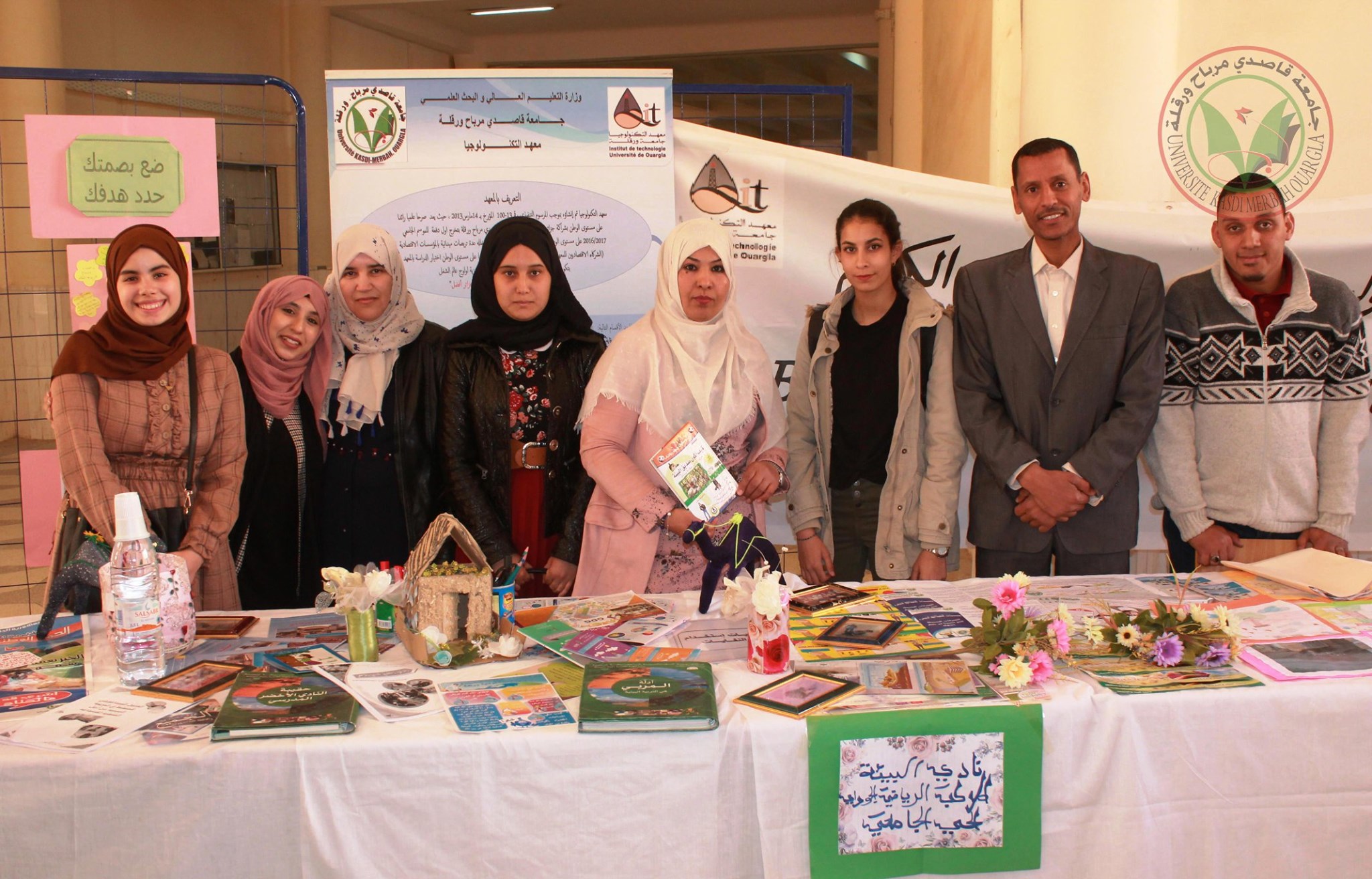
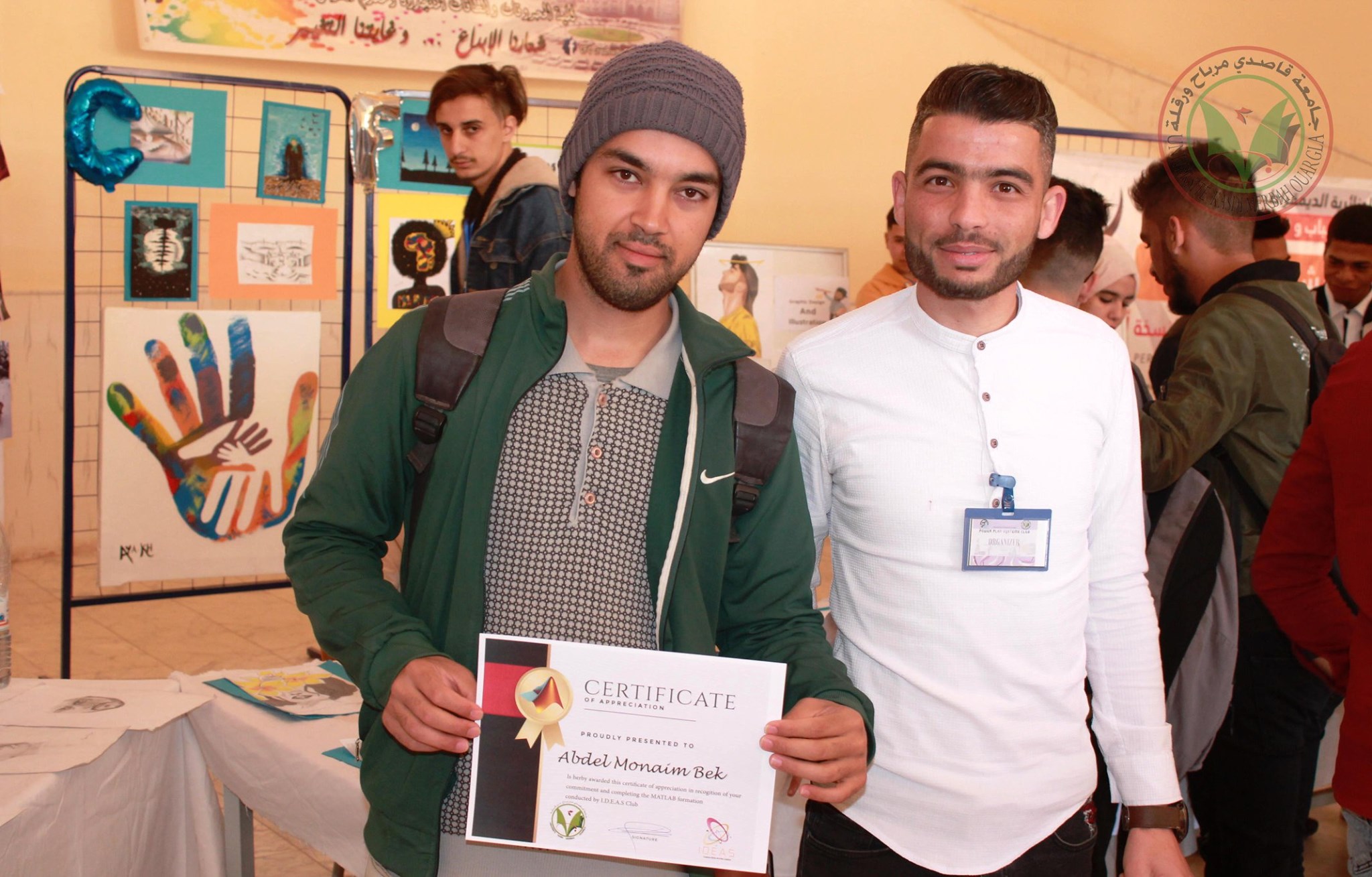
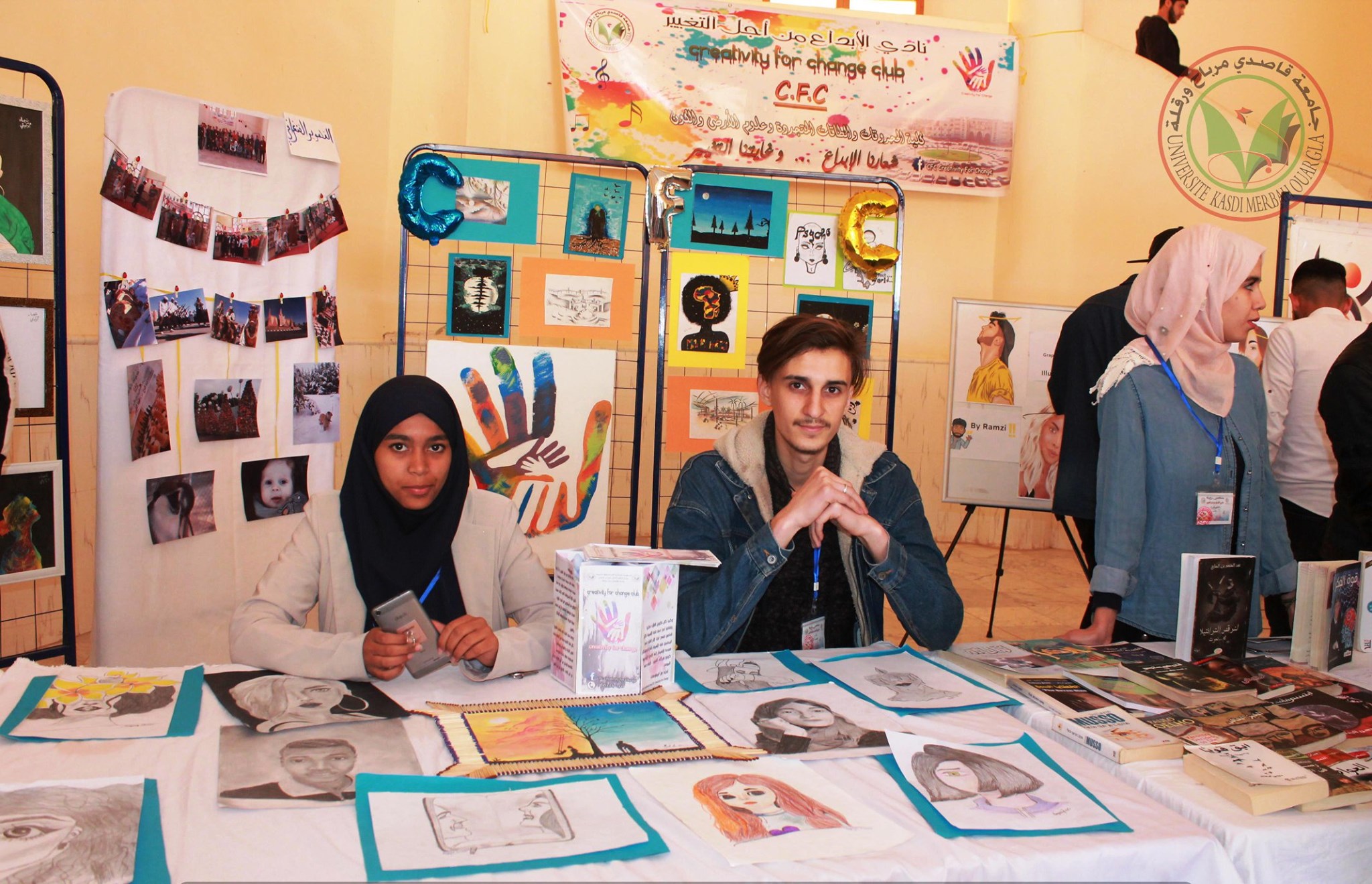
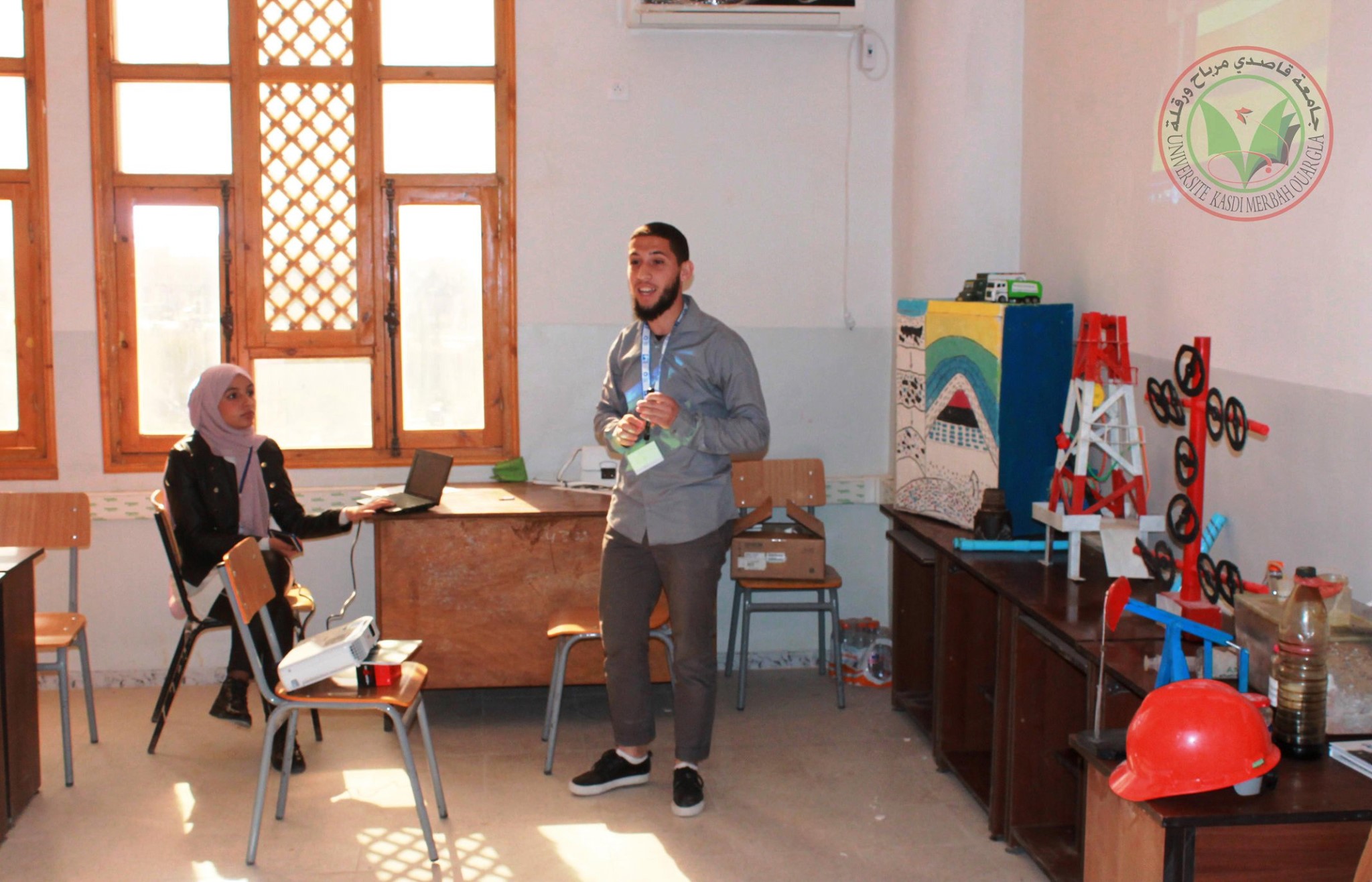
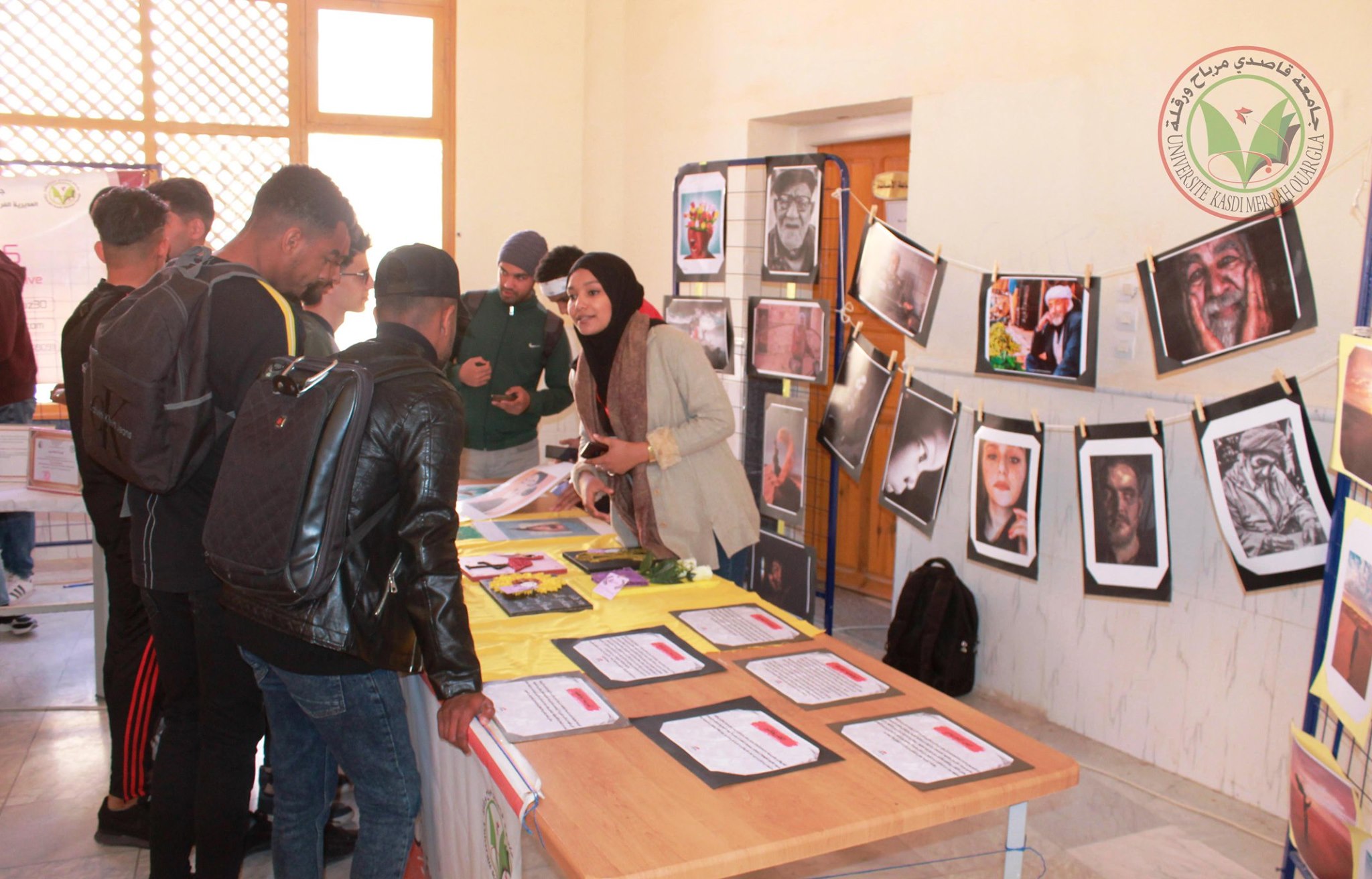
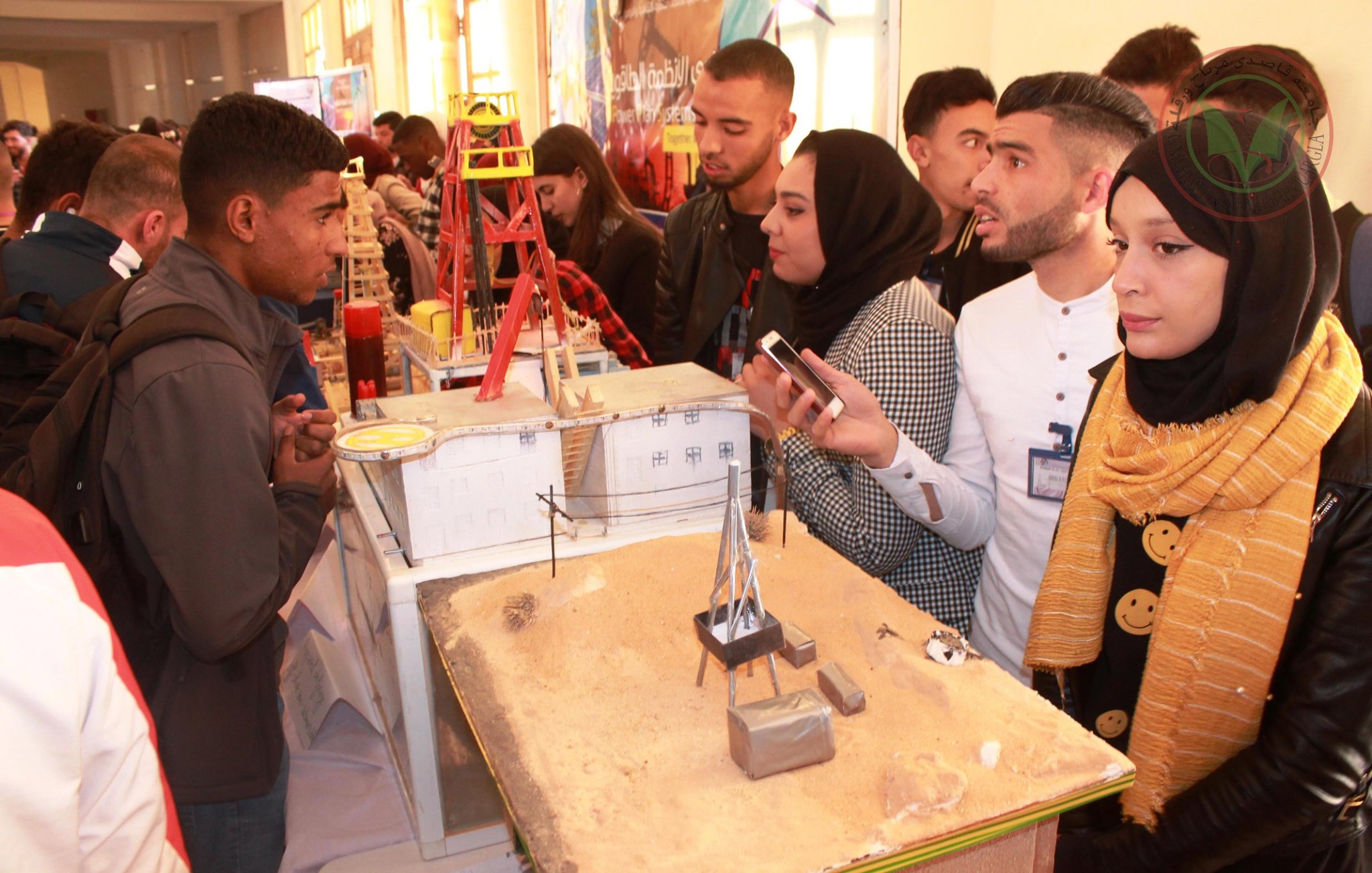
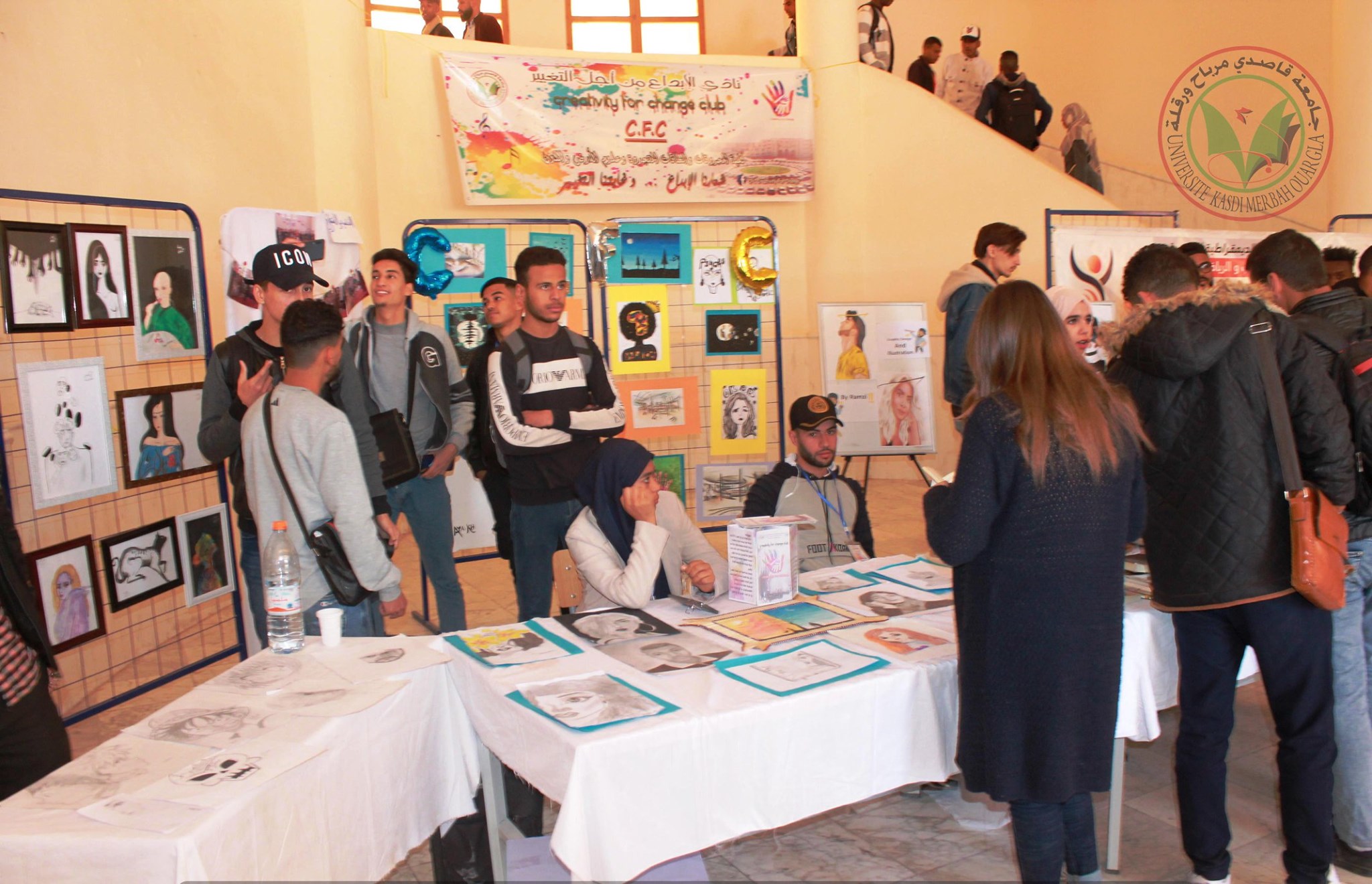
On the occasion of the 49th anniversary of the celebration of the nationalization of hydrocarbons, February 24 of each year, the Department of Scientific, Cultural and Sports Activities organized in coordination and cooperation with the "International" hydrocarbons club at the Faculty of Hydrocarbons, Renewable Energies, Earth Sciences and the Universe of the University of Kasdi Merbah Ouargla, a profitable and festive observance special for the occasion and the development of a diverse educational educational program for all university students and college Hydrocarbons in particular, on February 23 and 24, 2020 includes lectures by experts in the field of hydrocarbons from the National Foundation for Well Services ENSP and an exhibition of scientific clubs with the participation of more than 15 scientific clubs from the university and some associations and training institutions as well Workshops, training a variety of different run by experts from Schlumberger company and doctors and researchers from the University of Ouargla Tlqo their training abroad and have had field experience in Alpetrolah fields, and on 29 February 2020 deals with a field visit to a field Petrola company ENTP, which will benefit more than 200 students from the university.